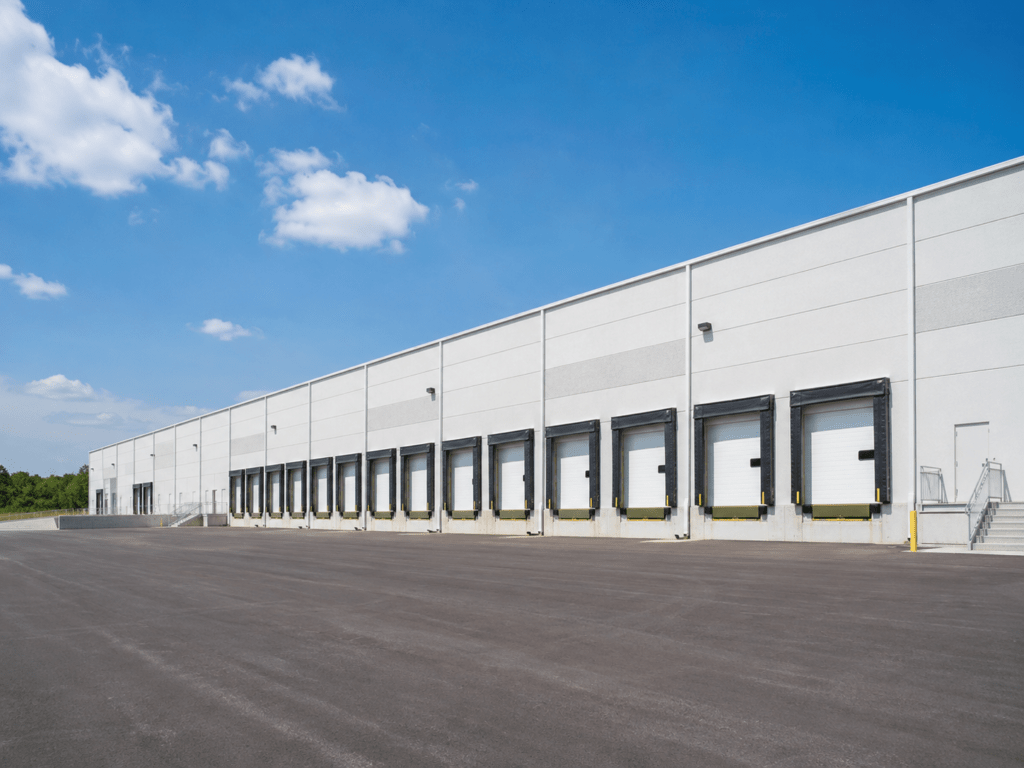
If you own a warehouse, flex building, distribution center, or light manufacturing facility in the Dallas industrial market and you want to know what it’s worth, a broker opinion of value (BOV) gives you a professional, market-based answer without the cost or timeline of a formal appraisal.
A BOV is prepared by a licensed commercial real estate broker using current DFW comparable sales and market conditions. Most are completed within 2 to 3 business days. For owners considering a sale, it’s typically provided at no charge.
How a Dallas Industrial Property Gets Valued
Industrial property valuation in DFW relies on three inputs: what comparable buildings sold for recently, what the property would generate as an income-producing asset, and what it would cost to replace the improvements. For most warehouses and distribution buildings, the sales comparison and income approaches carry the most weight.
Key property-specific factors that affect value include:
- Square footage and usable clear height
- Number and type of loading doors (dock-high, grade-level, drive-in)
- Electrical service and power supply
- Zoning classification and permitted uses
- Location relative to major DFW corridors (I-20, I-30, I-35, Loop 12, SH-161)
- Lease status, tenant credit quality, and remaining lease term
- Building condition, age, and any deferred maintenance
Properties in well-located DFW submarkets with strong clear heights and modern loading configurations consistently command premium pricing. A BOV accounts for all of these factors against current market benchmarks, not averages from a prior cycle.
When Dallas Industrial Owners Request a BOV
Most requests come from owners in one of these situations. Knowing which one applies to you shapes how the BOV is structured and what documentation may be needed alongside it.
- Preparing to sell and need a realistic pricing range before listing or interviewing brokers
- Estate planning or probate requiring documented market value of a commercial asset
- Partnership dispute or buyout where an independent opinion is needed by both parties
- Refinancing and need supporting value documentation for a lender
- Property tax appeal contesting a Dallas Central Appraisal District (DCAD) assessment
- Internal planning, portfolio review, or investor reporting
A BOV is not a certified appraisal, but for most of these situations it provides everything needed at a fraction of the cost and turnaround time. If your situation requires a USPAP-compliant certified appraisal, such as an SBA loan or formal litigation, a broker can help you determine the right path before you spend money on the wrong document.
BOV vs. Certified Appraisal for Dallas Industrial Property
The two most common valuation tools for commercial property serve different purposes. Here is how they compare for a Dallas industrial owner:
| Broker Opinion of Value | Certified Appraisal | |
| Prepared by | Licensed CRE broker | Certified MAI appraiser |
| Turnaround | 2 to 3 business days | 2 to 4 weeks |
| Cost | Lower, often free for sale prep | $3,000 to $10,000+ |
| Accepted for | Sale prep, estate, tax, legal | Lending, IRS, court |
| USPAP compliant | No | Yes |
For most owners evaluating a sale, handling an estate, or responding to a DCAD assessment, a BOV is the faster and more practical starting point. A certified appraisal becomes necessary when a lender, the IRS, or a court requires USPAP compliance.
The DFW Industrial Market Right Now
The Dallas-Fort Worth industrial market closed 2025 with 27.2 million square feet of positive net absorption, with leasing activity running more than 50% above long-term norms. Vacancy has been trending down since its peak in late 2024, and the average price per square foot for industrial properties in Dallas is approximately $228, with an average cap rate near 7.4%.
For owners weighing a sale, refinance, or estate transfer, those numbers matter. A BOV grounded in current DFW market data gives you a realistic picture of where your property sits in today’s market, not where it was two years ago when conditions were different.
Demand in DFW is being driven by logistics, e-commerce distribution, and companies expanding or relocating to the region. Properties near major interchange nodes and last-mile corridors continue to attract the strongest buyer and tenant interest.
What to Expect When You Request a BOV
The process is straightforward. After you submit your property details, a licensed broker with DFW industrial experience will review your request and follow up to confirm the property information needed.
To prepare a BOV, the broker will typically need:
- Property address and total square footage
- Clear height and loading door count and type
- Year built and current condition (owner-occupied, leased, or vacant)
- Rent roll and lease terms if the property is income-producing
- Any known deferred maintenance or planned capital improvements
For most owner-user or single-tenant industrial properties, a site visit is not required. For larger or more complex assets, the broker may recommend one to account for condition factors not captured in public records.
The completed BOV will include a written valuation range with supporting comparable sales data and current market context. Turnaround is typically 2 to 3 business days after property details are confirmed.
Request a BOV for Your Dallas Industrial Property
Getting started is free. Submit your property address and basic details below and a licensed DFW industrial broker will review your request and follow up promptly. For a national overview of industrial property valuation, visit our Industrial Property Value resource.
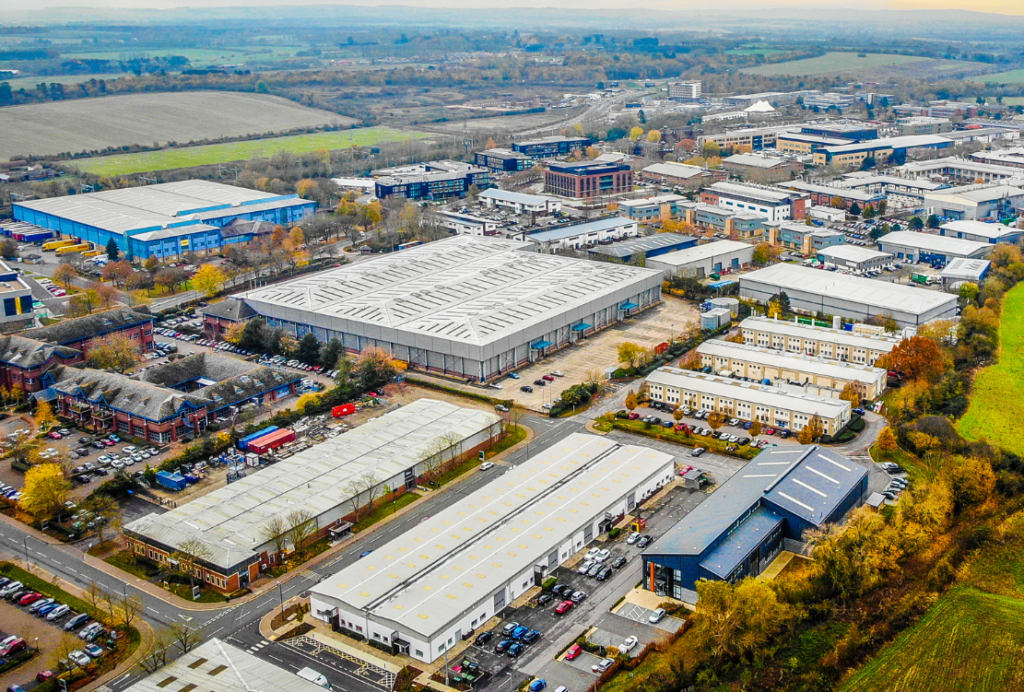
Frequently Asked Questions
What is a broker opinion of value and how is it different from an appraisal?
A broker opinion of value (BOV) is a written estimate of your property’s market value prepared by a licensed commercial real estate broker. It uses recent comparable sales and current market data, typically delivers in 2 to 3 business days, and is appropriate for sale preparation, estate planning, tax appeals, and most legal and planning purposes. A certified appraisal is prepared by a licensed MAI appraiser, follows USPAP standards, and is required for SBA lending, institutional financing, and formal court proceedings. For most Dallas industrial owners who need to understand what their building is worth, a BOV is the faster and more cost-effective starting point.
How much does a BOV cost for a Dallas industrial property?
For owners considering a sale, a BOV is typically provided at no charge as part of the broker relationship process. If you need a BOV for estate planning, a partnership buyout, a tax appeal, or another non-sale purpose, a modest fee may apply. You will always be informed of any cost before work begins.
How accurate is a broker opinion of value?
A BOV prepared by an experienced broker with active DFW industrial knowledge and access to current comparable sales is a reliable indicator of market value. It is not a certified appraisal and should not be used where USPAP compliance is required, but for pricing decisions, planning, and most advisory purposes it provides a solid, data-grounded foundation.
Can a BOV be used for a DCAD tax appeal on my industrial property?
Yes. A broker opinion of value can support a property tax appeal with the Dallas Central Appraisal District by providing documented evidence of market value based on comparable sales. For formal Appraisal Review Board proceedings, a certified appraisal carries more weight, but a BOV is a practical and cost-effective first step for evaluating whether an appeal is worth pursuing.
Does a broker need to inspect my Dallas warehouse to prepare a BOV?
Not always. Most BOVs for straightforward owner-user or single-tenant industrial properties are prepared using broker databases, comparable sales data, and publicly available property records without a formal site visit. For larger or more complex assets, a site visit may be recommended to account for condition factors or improvements not reflected in public records.