
If you own a warehouse, flex building, distribution center, or light manufacturing facility and want to know what it’s worth today, a broker opinion of value (BOV) gives you a professional, market-based answer without the cost or timeline of a formal appraisal. A BOV is prepared by a licensed commercial real estate broker using current comparable sales, local market data, and the specific physical characteristics of your building, and typically delivers in 2 to 3 business days.
For owners considering a sale, a BOV is typically provided at no charge as part of the broker relationship. For estate planning, partnership buyouts, tax appeals, or other non-sale purposes, a modest fee may apply. You will always be told the cost before any work begins.
How an Industrial Building Gets Valued
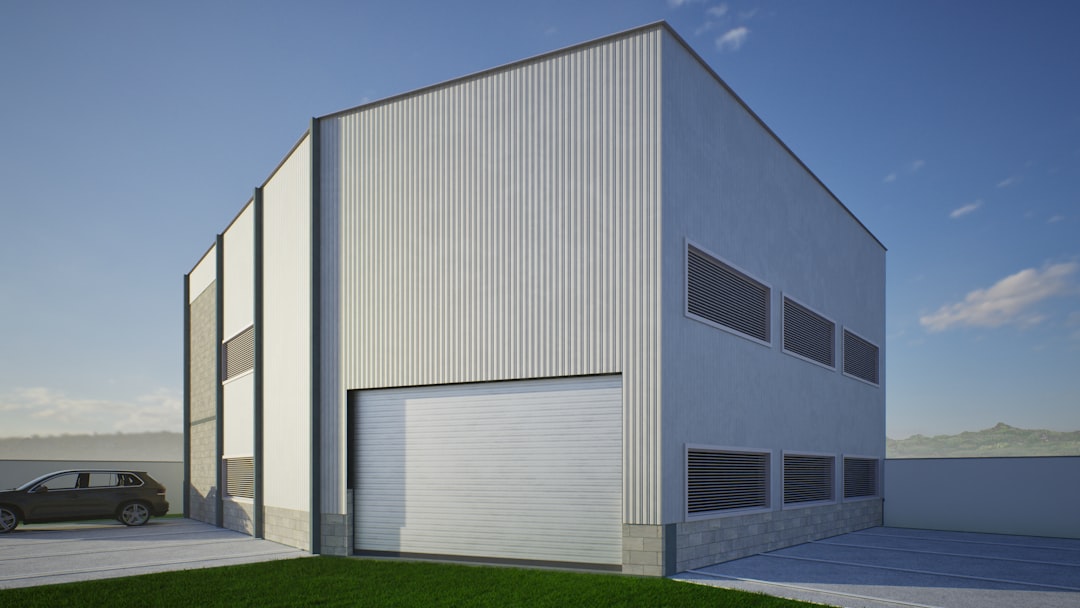
Industrial property valuation relies primarily on two approaches: the income approach and the sales comparison approach. For leased buildings, the income approach carries the most weight because buyers are acquiring the cash flow the tenancy produces. For owner-occupied buildings with no rental income to capitalize, the sales comparison approach does the heaviest lifting, measuring your building against recent comparable sales adjusted for size, condition, and specifications.
The key factors a broker evaluates for an industrial property include:
- Total square footage and usable footprint relative to the land area
- Clear height: buildings over 24 feet command meaningfully higher value than those under 20 feet
- Loading configuration: dock-high doors, grade-level doors, and drive-in access
- Power supply (amps and voltage), which directly affects the buyer pool for manufacturing users
- Zoning classification and permitted uses, including any non-conforming conditions
- Highway access and proximity to last-mile logistics corridors
- Lease status: vacant, owner-occupied, or leased, and if leased, the remaining term and rent relative to market
- Building age, roof condition, and deferred maintenance requiring buyer underwriting
A BOV prepared by a broker with active industrial deal flow will apply current cap rates and current comparable sales to your specific building, not national averages or outdated benchmarks.
When Industrial Property Owners Request a BOV
Most requests come from owners in one of these situations, and understanding which one applies to you determines what the BOV needs to document and what happens next.
- Preparing to sell and need a realistic pricing range before selecting a broker or setting partner expectations
- Estate planning or probate requiring documented current market value of an industrial asset
- Property tax appeal challenging an assessed value that doesn’t reflect current market conditions
- Partnership dispute or buyout where an independent valuation is needed by both parties
- Refinancing and need supporting value documentation for a lender or debt restructure
- Portfolio review to understand current equity position across multiple industrial properties
- 1031 exchange planning where knowing your building’s value determines what replacement property makes sense
A BOV is not a certified appraisal and is not suitable for SBA lending, institutional financing, or legal proceedings requiring USPAP compliance. For those situations, a certified MAI appraisal is required. A knowledgeable broker will tell you which document you actually need before you spend time or money on the wrong one.
BOV vs. Certified Appraisal for Industrial Property
Here is how the two valuation tools compare for an industrial property owner:
| Broker Opinion of Value | Certified Appraisal | |
|---|---|---|
| Prepared by | Licensed CRE broker | Certified MAI appraiser |
| Turnaround | 2 to 3 business days | 2 to 4 weeks |
| Cost | Lower, often free for sale prep | $3,000 to $10,000+ |
| Accepted for | Sale prep, estate, tax appeal, partnership buyout | Lending, IRS, court |
| USPAP compliant | No | Yes |
For most industrial owners evaluating a sale, handling an estate, appealing a property tax assessment, or planning a partnership transition, a BOV is the faster and more practical starting point. A certified appraisal becomes necessary when a lender, the IRS, or a court requires USPAP-compliant documentation.
The Industrial Real Estate Market Right Now
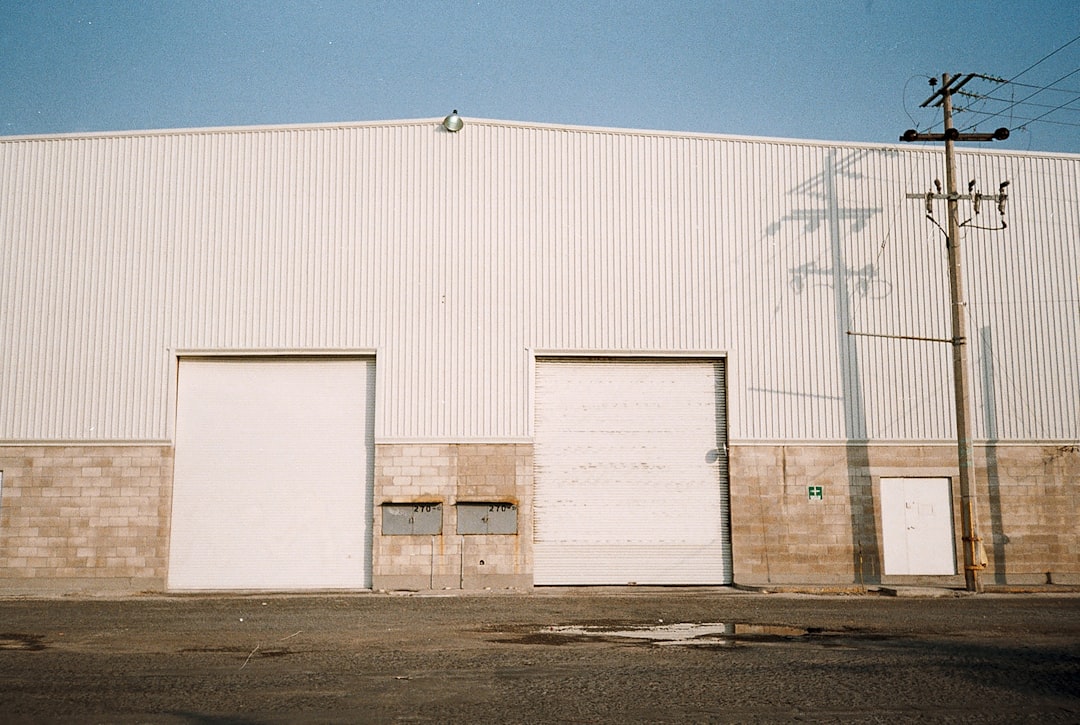
The U.S. industrial market entered 2026 in a stabilizing phase after the dramatic cap rate reset of 2022 to 2024. National vacancy held at 7.0% in Q1 2026, according to Cushman and Wakefield, with asking rents reaching $10.20 per square foot, reflecting 2.1% year-over-year growth. Yardi Matrix data shows the industrial sector recorded $15.5 billion in transactions in Q1 2026 alone, with assets trading at a national average of $138 per square foot. Moody’s projects industrial to deliver approximately 3% annual rent growth in 2026, the highest forecast across all commercial property types.
Cap rates for industrial properties in 2026 are running between 5.5% and 7.0% for standard warehouse and distribution assets nationally, with Class A properties in core gateway markets compressing to approximately 5.0%. The reset from the historic lows of 2022 is largely complete, and the market has shifted from re-pricing to fine-tuning. Properties in established urban and suburban infill locations with last-mile logistics access are commanding 15% to 25% rent premiums over outlying big-box facilities and facing severe supply constraints due to limited developable land near population centers.
For industrial owners considering a sale, refinance, or estate transfer, the current environment rewards owners who understand precisely where their asset sits in this divided market. A building with strong specifications in a supply-constrained submarket values very differently from a functionally obsolete facility on the periphery of a market with elevated new construction. A current BOV anchored in 2025 to 2026 transaction data gives you that answer.
What to Expect When You Request a BOV for Your Industrial Property
The process is straightforward. After you submit your property address and basic details, a licensed broker with active industrial deal flow will review your request and follow up to confirm the information needed and discuss your situation.
To prepare a BOV for an industrial building, the broker will typically need:
- Property address and total square footage
- Clear height, number and type of dock doors, and any grade-level or drive-in access
- Power supply (amps and voltage) if known
- Zoning classification and any known non-conforming conditions
- Lease status: vacant, owner-occupied, or leased
- If leased: current rent, remaining lease term, and tenant name
- Any known capital improvements made in the last five years
- Current mortgage or debt if relevant to the transaction being considered
A site visit is not typically required for standard industrial buildings. For specialized facilities or properties with significant deferred maintenance affecting value, a walkthrough may be recommended. Most industrial BOVs are completed within 2 to 3 business days after property details are confirmed.
Markets We Cover for Industrial BOV
We provide broker opinions of value for industrial properties in markets across the country. Pages with detailed local market data are available for the following markets:
- Dallas Industrial Property Value — DFW warehouses, flex buildings, and distribution centers
Don’t see your market listed? Submit your property details and a broker will follow up promptly regardless of location.
Request a BOV for Your Industrial Property
Getting started is free for owners considering a sale. Submit your property address and basic details and a licensed industrial broker will review your request and follow up promptly.
Frequently Asked Questions
What is a broker opinion of value for an industrial property?
A broker opinion of value (BOV) is a written estimate of your industrial building’s current market value prepared by a licensed commercial real estate broker. For industrial properties, the BOV is based on the building’s physical specifications (square footage, clear height, loading, power), lease status, recent comparable sales in your submarket, and current buyer demand. It typically delivers in 2 to 3 business days and is appropriate for sale preparation, estate planning, property tax appeals, partnership buyouts, and most advisory purposes.
How much does a BOV cost for an industrial building?
For owners considering a sale, a BOV is typically provided at no charge as part of the broker relationship. For estate planning, a partnership buyout, a property tax appeal, or another non-sale purpose, a modest fee may apply. You will always be told the cost upfront before any work begins. To request a free consultation, contact Broker Opinion of Value at [email protected] or call (203) 712-9244.
Can I use a BOV to appeal my industrial property’s tax assessment?
Yes. A broker opinion of value can support a property tax challenge by providing documented evidence of market value based on comparable sales and current market conditions. For formal appraisal district hearings or Tax Commission proceedings, a certified appraisal carries more legal authority, but a BOV is a practical and cost-effective first step for evaluating whether an appeal is worth pursuing and estimating the realistic downside on your current assessment.
How accurate is a BOV for an industrial building?
A BOV prepared by a broker with active industrial deal flow and access to current comparable sales is a reliable indicator of what your building would trade for in the current market. It is not a certified appraisal and should not be used where USPAP compliance is required. For pricing decisions, estate planning, tax strategy, and most advisory purposes, a well-prepared BOV from an industrial specialist gives you a data-grounded foundation for decision-making.
What information do I need to provide for an industrial BOV?
The most important details are the property address, total square footage, clear height, loading configuration (dock-high doors, grade-level, or drive-in), lease status, and if the building is leased, the current rent and remaining term. Power supply and zoning are helpful but not always required upfront. A broker will follow up to confirm any additional details needed for your specific situation.