
Broker Opinion of Value for Sale Leaseback Transactions
If you own the commercial building your business operates from, you are sitting on an asset that most business owners never fully deploy. A sale leaseback lets you sell that building to an investor at today’s market value while simultaneously signing a long-term lease to remain in the space as a tenant. You unlock the equity in your real estate, stay in your location, and convert an illiquid asset into cash you can use to grow your business, pay down debt, fund an acquisition, or strengthen your balance sheet. A broker opinion of value is the first step in evaluating whether a sale leaseback makes sense for you.
A BOV tells you what your building is worth in the current market, which determines how much equity a sale leaseback would unlock, what rent you would pay as a tenant under a market lease, and whether the transaction makes financial sense relative to other capital alternatives. Without a current BOV, you are evaluating a major financial decision without the most important number in the equation.
What Is a Sale Leaseback for Commercial Real Estate?
A sale leaseback is a transaction in which a business owner who also owns the real estate their business occupies sells that real estate to an investor, then leases it back under a long-term lease. The business continues operating in the same location as a tenant rather than an owner. The former owner receives the sale proceeds as capital. The investor receives a stable, long-term income stream from a creditworthy tenant who has every incentive to care for the property.
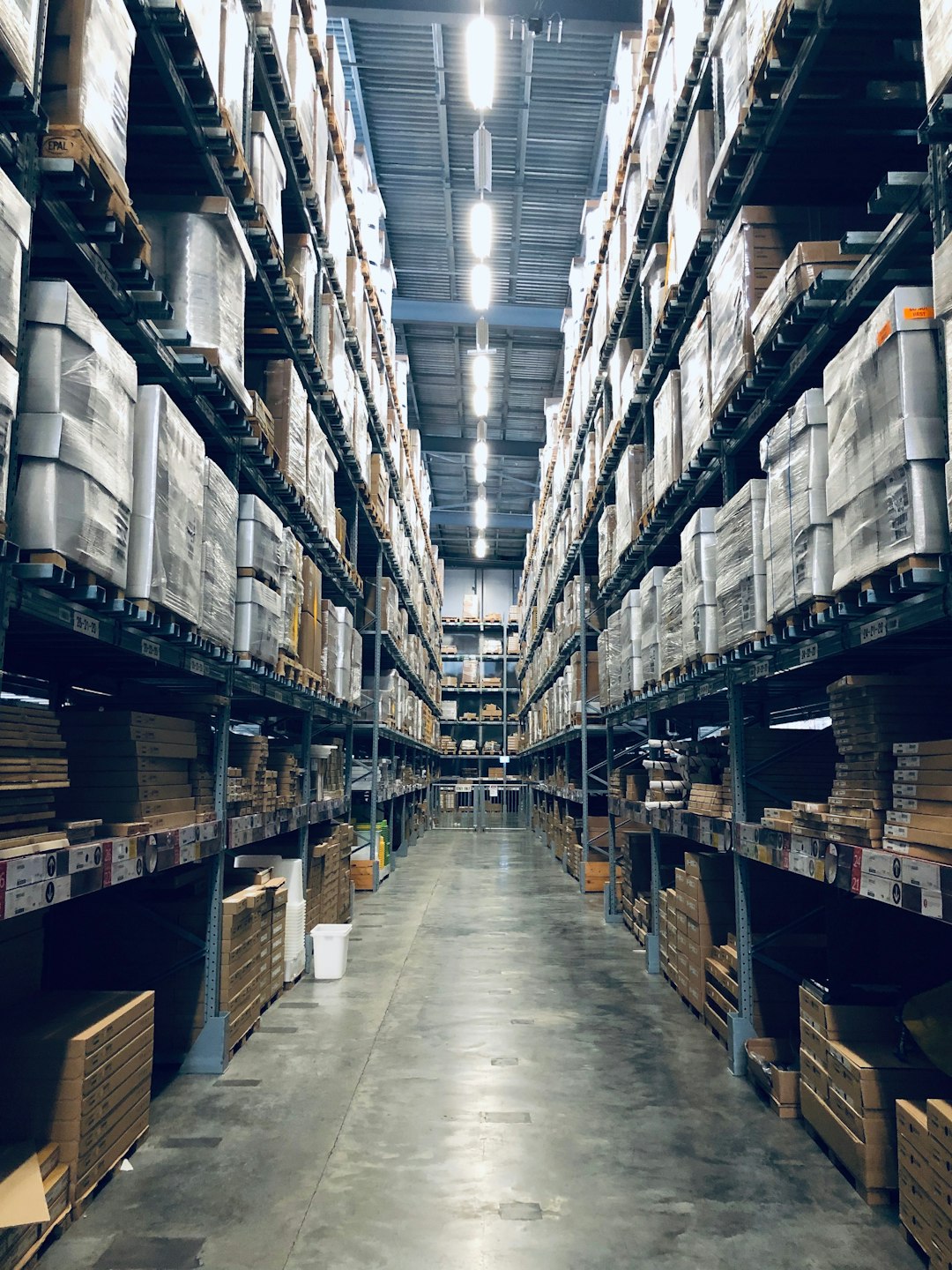
Sale leasebacks work across virtually every commercial property type where an owner-occupier exists: industrial and warehouse facilities, office buildings, retail properties, medical office, flex space, and specialty properties including car washes, auto service facilities, restaurant buildings, and similar single-tenant assets.
Why Business Owners Choose Sale Leasebacks in 2026
The sale leaseback market in 2026 is active and favorable for sellers in the right asset categories. Several forces are converging:
- Capital remains expensive and restrictive. Banks are still requiring more collateral and charging spreads that were unthinkable before 2022. For many business owners, a sale leaseback is the fastest route to a meaningful infusion of cash without taking on new debt and without giving up equity in the operating business.
- Private equity prefers asset-light companies. For business owners positioning their operating company for a sale, most private equity buyers prefer asset-light companies and avoid owning real estate. Carving the property out of the business through a sale leaseback before going to market eliminates a key friction point, often leading to a cleaner, faster, and potentially more lucrative business sale.
- Industrial supply is constrained. For owners of industrial facilities in supply-constrained submarkets, quality single-tenant buildings are scarce and investor demand remains resilient. This keeps values strong and sale leaseback terms favorable for sellers.
- Capital markets are stabilizing. The Federal Reserve’s easing cycle through 2025 and improving cost of capital for investors means more competitive pricing for sale leaseback sellers entering the market in 2026. CBRE forecasts commercial real estate investment activity to increase approximately 16% in 2026, creating a favorable backdrop for sale leaseback transactions.
- Operational continuity. The business stays in its location under a lease structure tailored to its needs, including renewal options and expansion rights. The capital flexibility gained does not require moving, disrupting operations, or losing the site.
How a BOV Supports the Sale Leaseback Decision
A BOV for a sale leaseback serves three purposes simultaneously:
1. Establishing the Sale Price
The BOV tells you what your building is worth to a sale leaseback investor in the current market. For a sale leaseback, value is primarily driven by the income approach: the rent you would pay under the leaseback divided by the cap rate investors are applying to that type of asset with your credit profile. The BOV establishes both the likely value and the cap rate range buyers would apply, giving you a realistic picture of what the transaction would generate in proceeds.
2. Establishing the Market Rent
In a sale leaseback, the rent you pay as tenant is set at market rent for the space at the time of the transaction. A BOV that includes a market rent analysis tells you what rent is appropriate for your building, your location, and your lease structure before you begin negotiating with potential buyers. Knowing the market rent prevents you from being offered a below-market purchase price justified by an above-market rent, which is the single most common way sale leaseback sellers leave money on the table.
3. Evaluating Whether the Transaction Makes Sense
A BOV gives you the numbers to run the analysis: how much equity the sale unlocks, what the annual rent obligation replaces your current carrying cost or mortgage payment, and what the net capital benefit is over your intended holding period. Some business owners discover that the equity unlocked is transformative relative to their current balance sheet. Others discover that the rent required under a market leaseback would exceed what they want to pay for occupancy. The BOV gives you the data to make that determination before you engage buyers.
Who Uses Sale Leasebacks
Sale leasebacks are used across a wide range of business types and industries:
- Manufacturing and industrial companies that own their production or distribution facilities and need capital for equipment, expansion, or working capital
- Healthcare providers including medical practices, dental groups, and specialty clinics that own their office or clinical space
- Restaurant chains and food service operators that own their locations and want to unlock real estate equity while maintaining long-term occupancy
- Automotive service businesses including dealerships, service centers, and quick-service facilities that own high-value real estate
- Retailers who own their store locations and want to convert real estate equity into operating capital
- Professional services firms that own their office buildings and want to deploy that capital into the business rather than real estate ownership
- Business owners preparing for a sale who want to carve real estate out of the business before going to market to attract PE buyers who prefer asset-light structures
What to Expect When You Request a Sale Leaseback BOV
After you submit your property details and describe your situation, a licensed broker will review your request and follow up to discuss the engagement. For a sale leaseback BOV, the broker will typically need: property address and type, total square footage, building age and condition, your current mortgage or carrying cost if relevant to the analysis, a description of your business and how long you intend to remain in the space, any known lease preferences including initial term length and renewal options, and the purpose of the analysis (evaluating the transaction, preparing for a marketing process, or supporting a business sale).
A sale leaseback BOV is a paid engagement reflecting the additional analysis of market rent and leaseback economics alongside the standard property valuation. You will always be told the cost upfront before any work begins. Most sale leaseback BOVs are completed within 3 to 5 business days after property details are confirmed.
Request a Sale Leaseback BOV
Submit your property details and describe your situation. A licensed commercial real estate broker will review your request and follow up promptly to discuss the engagement.
Frequently Asked Questions
What is a sale leaseback in commercial real estate?
A sale leaseback is a transaction in which a business owner sells the commercial property their business occupies to an investor, then leases it back under a long-term lease. The business continues operating in the same location as a tenant. The former owner receives the sale proceeds as capital. It is used to unlock equity from real estate while maintaining operational continuity.
How is a sale leaseback property valued?
A sale leaseback property is valued primarily using the income approach: the annual rent the tenant will pay under the leaseback lease divided by the cap rate investors are applying to that asset type with that tenant’s credit profile. The market rent established in the BOV directly drives the value. A higher market rent at a given cap rate produces a higher value. This is why understanding market rent before negotiating with buyers is essential: the rent and the value are directly linked.
Is a sale leaseback better than a traditional refinance?
It depends on your goals and the current lending environment. A refinance keeps you as the owner and adds debt. A sale leaseback removes the property from your balance sheet, eliminates the mortgage, and converts the equity to cash with no new debt obligation, but you give up future appreciation and control over the property. For business owners who need liquidity and do not want to take on more debt, or who are positioning for a business sale, the sale leaseback often delivers more capital flexibility than a refinance. A BOV on your property helps you run both scenarios with accurate numbers.
What lease terms are typical in a sale leaseback?
Most sale leaseback leases are structured as long-term NNN leases, typically 10 to 20 years with renewal options. NNN structure means the tenant pays property taxes, insurance, and maintenance in addition to base rent. Longer initial terms with renewal options command better pricing from investors because they reduce vacancy risk. Shorter terms are possible but generally produce more conservative valuations. Your broker can advise on the lease structure that balances your operational flexibility with favorable investor pricing.
What commercial property types work best for sale leasebacks?
Industrial and warehouse facilities, medical office buildings, restaurant properties, automotive service facilities, retail locations, and professional office buildings are all common sale leaseback candidates. The most favorable sale leaseback economics typically involve properties with strong locations, good physical condition, creditworthy tenants, and long initial lease terms. Owner-occupied industrial in supply-constrained markets and medical office properties with established practices are among the most in-demand sale leaseback assets in the current market.