If you own a warehouse, distribution center, flex building, or manufacturing facility in the Inland Empire and want to know what it’s worth, a broker opinion of value (BOV), also called a broker price opinion, gives you a professional, market-based answer without the cost or timeline of a formal appraisal. A BOV is prepared by a licensed commercial real estate broker using current Inland Empire comparable sales, active market data, and property-specific analysis. Most are completed within 2 to 3 business days.
How Inland Empire Industrial Property Gets Valued
Industrial valuation in the Inland Empire relies on three inputs: what comparable buildings have sold for recently, what the property generates as an income-producing asset, and what it would cost to replace using today’s construction costs. For most warehouses, distribution centers, and owner-occupied industrial facilities, the sales comparison and income approaches carry the most weight. The Inland Empire’s more than 660 million square feet of total industrial inventory, split primarily between the Inland Empire West (Ontario, Fontana, Rancho Cucamonga, Chino) and Inland Empire East (Moreno Valley, Perris, Redlands, Beaumont), means submarket location and building specification can produce very different valuations for buildings with similar square footage.
Key property-specific factors that affect value include:
- Total square footage and clear height
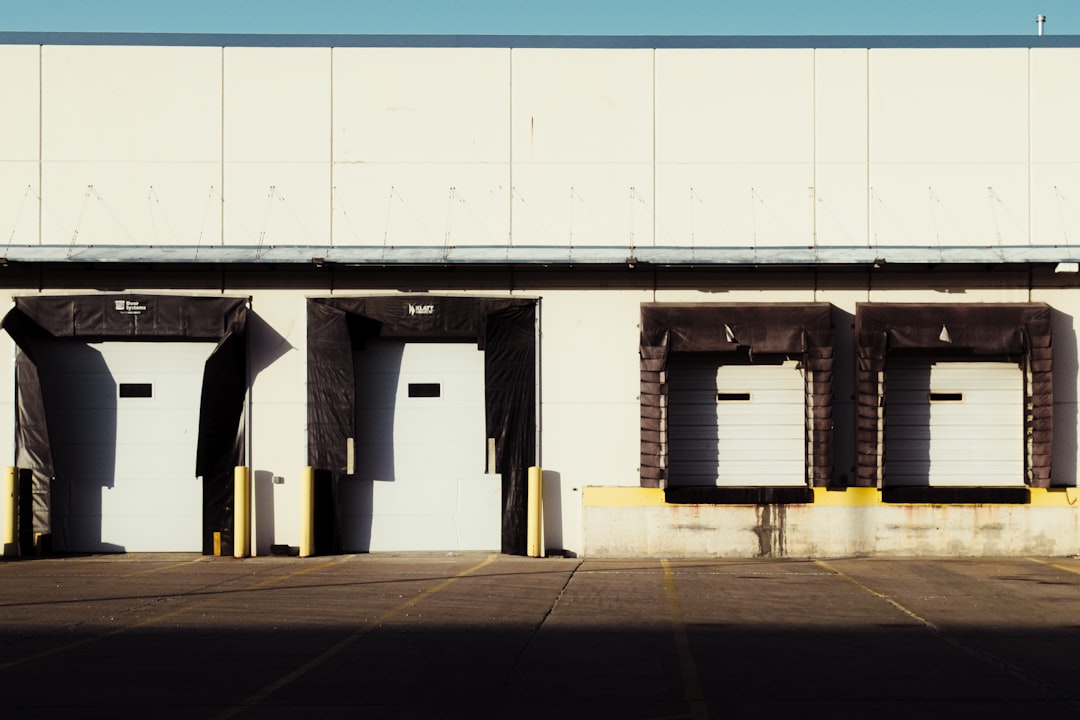
- Number and type of loading doors: dock-high, grade-level, or drive-in
- Power capacity and electrical service
- Submarket location: Inland Empire West versus Inland Empire East
- Proximity to the 60/10/15/215 freeway corridors and the ports of Los Angeles and Long Beach
- Lease status, tenant credit quality, and remaining lease term
- Building age, condition, and whether it’s modern Class A or older commodity space
- Outdoor storage or industrial outdoor storage (IOS) capable yard space
- Manufacturing versus warehouse and distribution use type
Inland Empire industrial investment sales are trading across a wide cap rate band depending on submarket and asset quality, from the high-4% range for newer, fully leased assets in tight infill locations to the mid-6% range for older product or larger big-box distribution centers, according to Lee & Associates and CBRE market data. Industrial outdoor storage (IOS) yards have become their own underwriting category this cycle and are often valued separately from the building itself. A BOV from a broker with active Inland Empire deal flow applies the correct submarket comp set and cap rate for your specific building type rather than a market-wide average.
When Inland Empire Industrial Owners Request a BOV
Most requests come from owners in one of these situations. Knowing which applies shapes how the BOV is structured and what documentation may be needed.
- Preparing to sell and need a realistic pricing range before listing or interviewing brokers
- Estate planning or probate requiring documented market value of a commercial asset
- Partnership dispute or buyout where an independent value opinion is needed by both parties
- Refinancing and need supporting value documentation for a lender
- Property tax appeal contesting San Bernardino County or Riverside County assessor valuation
- Sale leaseback evaluation to unlock equity while maintaining operational control
- 1031 exchange planning where knowing current value determines what replacement property makes sense
- Evaluating whether to sell into the current market or hold through the new supply digestion cycle
A BOV is not a certified appraisal, but for most of these situations it provides everything needed at a fraction of the cost and turnaround time. If your situation requires a USPAP-compliant certified appraisal, such as an SBA loan or formal litigation, a broker can help you determine the right path before you spend money on the wrong document.
BOV vs. Certified Appraisal for Inland Empire Industrial Property
Here is how the two valuation tools compare for an Inland Empire industrial owner:
| Broker Opinion of Value | Certified Appraisal | |
|---|---|---|
| Prepared by | Licensed CRE broker | Certified MAI appraiser |
| Turnaround | 2 to 3 business days | 2 to 4 weeks |
| Cost | Lower cost, pricing varies by broker | $3,000 to $10,000+ |
| Accepted for | Sale prep, estate, tax appeal, partnership | Lending, IRS, court |
| USPAP compliant | No | Yes |
For most owners evaluating a sale, handling an estate, or contesting an appraisal district assessment, a BOV is the faster and more practical starting point. A certified appraisal becomes necessary when a lender, the IRS, or a court requires USPAP compliance.
The Inland Empire Industrial Market Right Now
The Inland Empire’s industrial vacancy rate rose to 7.8% in Q1 2026, up 70 basis points quarter-over-quarter, according to CBRE, driven primarily by large move-outs in the 500,000-square-foot-and-above size range across both the Inland Empire West and East submarkets. Despite the vacancy increase, new leasing activity was strong: CBRE tracked 13.6 million square feet of new deals signed in the quarter, a 40.2% increase. Asking lease rates in the IE Core averaged $1.09 NNN per square foot per month, while taking rates rose 4.9% quarter-over-quarter to $1.08 NNN.
The market’s total inventory now exceeds 660 million square feet, making the Inland Empire one of the largest industrial markets in the country. Big-box move-outs, including several buildings over 1 million square feet, drove most of the negative pressure on vacancy this quarter, but the construction pipeline has slowed sharply: roughly 850,000 to 1.4 million square feet of new projects broke ground in Q1 2026, a fraction of prior years’ pace. With less new supply coming online, brokers expect vacancy to stabilize through the back half of 2026 as existing space gets absorbed.
For Inland Empire industrial owners, the current market rewards well-located, efficient buildings over older, functionally obsolete product. Tenants continue to hold negotiating leverage in this cycle, but institutional buyers remain active, particularly for assets priced below replacement cost or with industrial outdoor storage (IOS) yard potential. A current BOV tells you exactly which category your building falls into and what the current buyer pool will realistically pay.
What to Expect When You Request a BOV
After you submit your property details, a licensed broker with active Inland Empire industrial deal flow will review your request and follow up to confirm the information needed. To prepare a BOV, the broker will typically need:
- Property address, submarket, and total square footage
- Clear height and loading door count and type
- Year built and current condition, owner-occupied, leased, or vacant
- Rent roll and lease terms if the property is income-producing
- Any known deferred maintenance or planned capital improvements
- Whether the site has outdoor storage, excess land, or IOS potential
- Proximity to major freeway corridors or rail access
For most owner-user or single-tenant industrial properties, a site visit is not required. The completed BOV will include a written valuation range with supporting comparable sales data and current Inland Empire submarket context. Turnaround is typically 2 to 3 business days after property details are confirmed.
Request a BOV for Your Inland Empire Industrial Property
Getting started is straightforward for owners considering a sale. Submit your property address and basic details and a licensed Inland Empire industrial broker will review your request and follow up promptly. For a national overview of industrial property valuation, visit our Industrial Property Type resource.
Frequently Asked Questions
What is a broker opinion of value for Inland Empire industrial property?
A broker opinion of value (BOV) is a written estimate of your industrial property’s current market value prepared by a licensed commercial real estate broker. It uses recent comparable sales and current Inland Empire submarket data, typically delivers in 2 to 3 business days, and is appropriate for sale preparation, estate planning, tax appeals, and most planning purposes. A certified appraisal is required for SBA lending, institutional financing, or formal court proceedings.
How do vacant big-box move-outs affect Inland Empire industrial property values?
Large move-outs in buildings over 500,000 square feet have driven vacancy higher across the Inland Empire in recent quarters, particularly in the Inland Empire East. This puts downward pressure on asking rents for comparable big-box space, but well-located, efficient buildings with strong specifications continue to hold value better than older or functionally obsolete product. A BOV accounts for these submarket-specific dynamics rather than applying a market-wide average.
How much does a BOV cost for an Inland Empire industrial property?
Pricing for a BOV varies by broker and the complexity of the property, and it is typically lower cost and faster to deliver than a certified appraisal. For owners preparing for a sale, estate planning, a partnership buyout, or another non-lending purpose, a broker can tell you the cost before work begins. Contact Broker Opinion of Value at [email protected] or call (203) 912-7244.
Can a BOV be used for an Inland Empire property tax appeal?
Yes, a broker opinion of value can support a property tax appeal to the San Bernardino County or Riverside County Assessor’s Office by providing documented evidence of market value based on comparable sales. Formal assessment appeals board proceedings may carry more legal weight, but a BOV is a practical and cost-effective first step for evaluating whether an appeal is worth pursuing.
Does a broker need to inspect my Inland Empire warehouse to prepare a BOV?
Not always. Most BOVs for straightforward owner-user or single-tenant industrial properties are prepared using broker databases, comparable sales, and publicly available property records without a formal site visit. For larger or more complex assets, or properties where condition materially affects value, a site visit may be recommended.