

If you own a warehouse, distribution center, flex building, or manufacturing facility in Detroit and want to know what it’s worth, a broker opinion of value (BOV), also called a broker price opinion, gives you a professional, market-based answer without the cost or timeline of a formal appraisal. A BOV is prepared by a licensed commercial real estate broker using current Detroit comparable sales, active market data, and property-specific analysis. Most are completed within 2 to 3 business days.
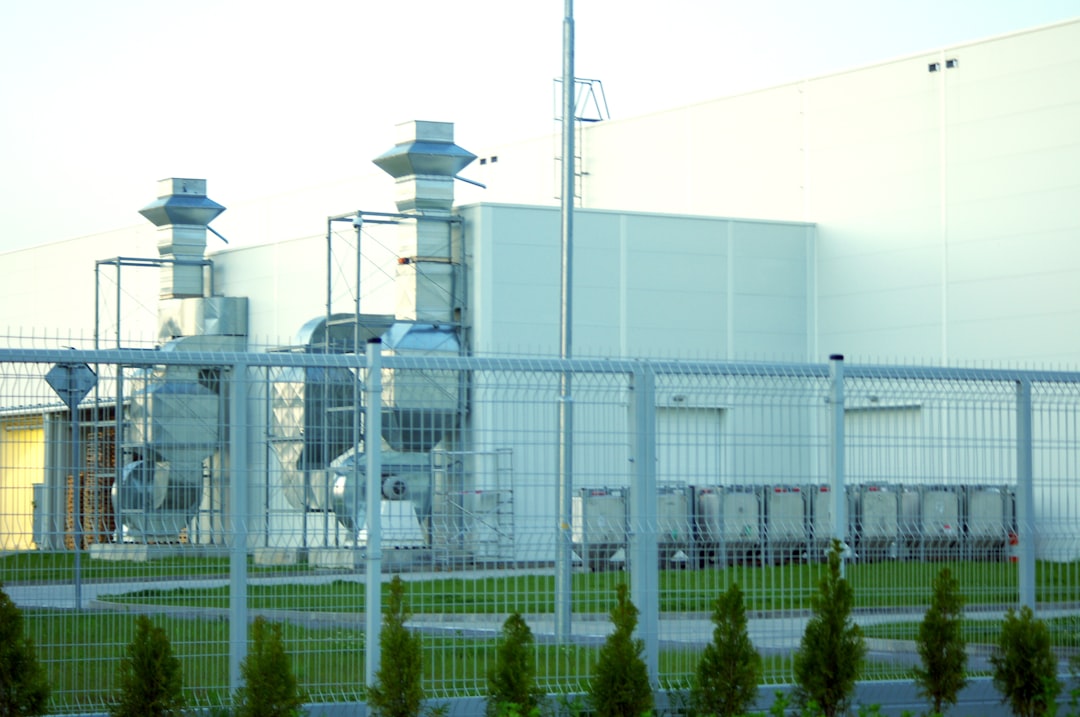
How Detroit Industrial Property Gets Valued
Industrial valuation in Detroit relies on three inputs: what comparable buildings have sold for recently, what the property generates as an income-producing asset, and what it would cost to replace using today’s construction costs. Metro Detroit’s industrial market is anchored by the automotive industry, with GM, Ford, and Stellantis collectively producing about 2 million vehicles a year across more than 150 facilities in the region, supported by an extensive supplier and logistics base. Submarket location, particularly proximity to the Airport/I-275 corridor, Macomb County, and Oakland County, plays a real role in valuation given how concentrated demand is in those areas.
Key property-specific factors that affect value include:
- Total square footage and clear height
- Number and type of loading doors: dock-high, grade-level, or drive-in
- Power capacity and electrical service, especially for manufacturing and supplier tenants
- Submarket location: Airport/I-275 corridor, Macomb County, Oakland County, or Port of Monroe
- Lease status, tenant credit quality, and remaining lease term
- Building age, condition, and clear height relative to modern tenant requirements
- Outdoor storage or yard space
- General industrial versus warehouse, distribution, and flex use type
Detroit industrial cap rates run higher than coastal logistics hubs given the market’s manufacturing-heavy tenant base, typically clustering in the high-single digits to low-double digits for functional, well-located product, with tighter pricing for newer buildings on long-term supplier leases. Older inventory that falls outside modern tenant requirements, lower clear height, fewer dock doors, less functional layouts, trades at a real discount to the market’s strong headline vacancy numbers. A BOV from a broker with active Detroit deal flow applies the correct comp set for your specific building type and age rather than a market-wide average.
When Detroit Industrial Owners Request a BOV
Most requests come from owners in one of these situations. Knowing which applies shapes how the BOV is structured and what documentation may be needed.
- Preparing to sell and need a realistic pricing range before listing or interviewing brokers
- Estate planning or probate requiring documented market value of a commercial asset
- Partnership dispute or buyout where an independent value opinion is needed by both parties
- Refinancing and need supporting value documentation for a lender
- Property tax appeal contesting Wayne, Oakland, or Macomb County assessor valuation
- Sale leaseback evaluation to unlock equity while maintaining operational control
- 1031 exchange planning where knowing current value determines what replacement property makes sense
- Evaluating whether an older building needs repositioning to stay competitive with modern tenant requirements
A BOV is not a certified appraisal, but for most of these situations it provides everything needed at a fraction of the cost and turnaround time. If your situation requires a USPAP-compliant certified appraisal, such as an SBA loan or formal litigation, a broker can help you determine the right path before you spend money on the wrong document.
BOV vs. Certified Appraisal for Detroit Industrial Property
Here is how the two valuation tools compare for a Detroit industrial owner:
| Broker Opinion of Value | Certified Appraisal | |
|---|---|---|
| Prepared by | Licensed CRE broker | Certified MAI appraiser |
| Turnaround | 2 to 3 business days | 2 to 4 weeks |
| Cost | Lower cost, pricing varies by broker | $3,000 to $10,000+ |
| Accepted for | Sale prep, estate, tax appeal, partnership | Lending, IRS, court |
| USPAP compliant | No | Yes |
For most owners evaluating a sale, handling an estate, or contesting an appraisal district assessment, a BOV is the faster and more practical starting point. A certified appraisal becomes necessary when a lender, the IRS, or a court requires USPAP compliance.

The Detroit Industrial Market Right Now
Detroit’s industrial vacancy rate stood at 3.3% in Q1 2026, according to CBRE, one of the lowest vacancy rates of any major industrial market in the country, following four consecutive quarters of positive absorption. Other brokerages tracking the market put vacancy closer to the 4% to 5% range depending on methodology and what’s counted as available, but every source agrees Detroit remains one of the tightest industrial markets nationally.
The market’s strength is closely tied to continued automotive industry investment. GM’s retooling of Orion Assembly for EV production and broader supplier reshoring trends are supporting demand for modern, well-located industrial space, while disciplined new construction has kept supply growth in check. That said, vacancy that does exist is increasingly concentrated in older, lower-clear, less-functional buildings rather than spread evenly across the market. Owners of buildings that fall outside current tenant requirements should not assume the strong market headline automatically applies to their specific asset.
For Detroit industrial owners, the current market rewards modern, well-specified buildings near the Airport/I-275 corridor, Macomb County, and Oakland County, while older, functionally obsolete product needs a more realistic read on where it actually sits in the market. A current BOV tells you which category your building falls into and what buyers are realistically paying for it today.
What to Expect When You Request a BOV
After you submit your property details, a licensed broker with active Detroit industrial deal flow will review your request and follow up to confirm the information needed. To prepare a BOV, the broker will typically need:
- Property address, submarket, and total square footage
- Clear height and loading door count and type
- Year built and current condition, owner-occupied, leased, or vacant
- Rent roll and lease terms if the property is income-producing
- Any known deferred maintenance or planned capital improvements
- Whether the site has outdoor storage or excess land
- Proximity to Detroit Metropolitan Airport, I-275, or rail access
For most owner-user or single-tenant industrial properties, a site visit is not required. The completed BOV will include a written valuation range with supporting comparable sales data and current Detroit submarket context. Turnaround is typically 2 to 3 business days after property details are confirmed.
Request a BOV for Your Detroit Industrial Property
Getting started is straightforward for owners considering a sale. Submit your property address and basic details and a licensed Detroit industrial broker will review your request and follow up promptly. For a national overview of industrial property valuation, visit our Industrial Property Type resource.

Frequently Asked Questions
What is a broker opinion of value for Detroit industrial property?
A broker opinion of value (BOV) is a written estimate of your industrial property’s current market value prepared by a licensed commercial real estate broker. It uses recent comparable sales and current Detroit submarket data, typically delivers in 2 to 3 business days, and is appropriate for sale preparation, estate planning, tax appeals, and most planning purposes. A certified appraisal is required for SBA lending, institutional financing, or formal court proceedings.
Why is Detroit industrial vacancy so much lower than most markets?
Detroit’s low industrial vacancy is closely tied to continued automotive industry investment, including EV retooling and supplier reshoring, combined with disciplined new construction that has kept supply growth in check. That said, vacancy that does exist is concentrated in older, less-functional buildings rather than spread evenly. A BOV accounts for where your specific building falls within that split rather than applying the headline market number to every property.
How much does a BOV cost for a Detroit industrial property?
Pricing for a BOV varies by broker and the complexity of the property, and it is typically lower cost and faster to deliver than a certified appraisal. For owners preparing for a sale, estate planning, a partnership buyout, or another non-lending purpose, a broker can tell you the cost before work begins. Contact Broker Opinion of Value at [email protected] or call (203) 912-7244.
Can a BOV be used for a Detroit property tax appeal?
Yes, a broker opinion of value can support a property tax appeal to the Wayne, Oakland, or Macomb County Assessor’s Office by providing documented evidence of market value based on comparable sales. Formal assessment appeal proceedings may carry more legal weight, but a BOV is a practical and cost-effective first step for evaluating whether an appeal is worth pursuing.
Does a broker need to inspect my Detroit warehouse to prepare a BOV?
Not always. Most BOVs for straightforward owner-user or single-tenant industrial properties are prepared using broker databases, comparable sales, and publicly available property records without a formal site visit. For larger or more complex assets, or properties where condition materially affects value, a site visit may be recommended.